Skip to content
Browserbase
    • Primitives
      • BrowsersCloud browsers for your agent to use the web
      • AgentsScale fully managed browser agents with simple prompts
      • SearchFind relevant websites from a single query
      • FetchRetrieve web data as agent-ready HTML, JSON, or markdown
      • RuntimeScalable, sandboxed environments for agent deployments
      • IdentityAuthenticate your agent to navigate the web like a human
      • ModelsUse any model with a single API key
      • ObservabilityUnified debugging your agent across replays, logs, and prompts
    • Open Source
      • Browse CLIGive your agent browsing skills with a single command
      • StagehandThe most popular AI browser automation framework
    • Use Cases
      • Browser Agents
      • Automated Testing
      • Workflow Automation
      • Web Data Extraction
      All use cases
    • Industries
      • AI & Agent Platforms
      • Healthcare
      • Fintech
      • GTM
      • Legal
    • Resources
      • Blog
      • Customers
      • Enterprise
      • Templates
  • Pricing
  • Docs
  • Log in
Log in
Sign up
Get a demo

Payer portal automation across hundreds of payers

Provider teams lose hours to manual clicks inside payer portals. Browserbase deploys agents that run the routine portal workflows across the big national insurers and the long tail of smaller payers alike, under one API key. SOC-2 Type II certified and HIPAA-ready.
Get a Demo
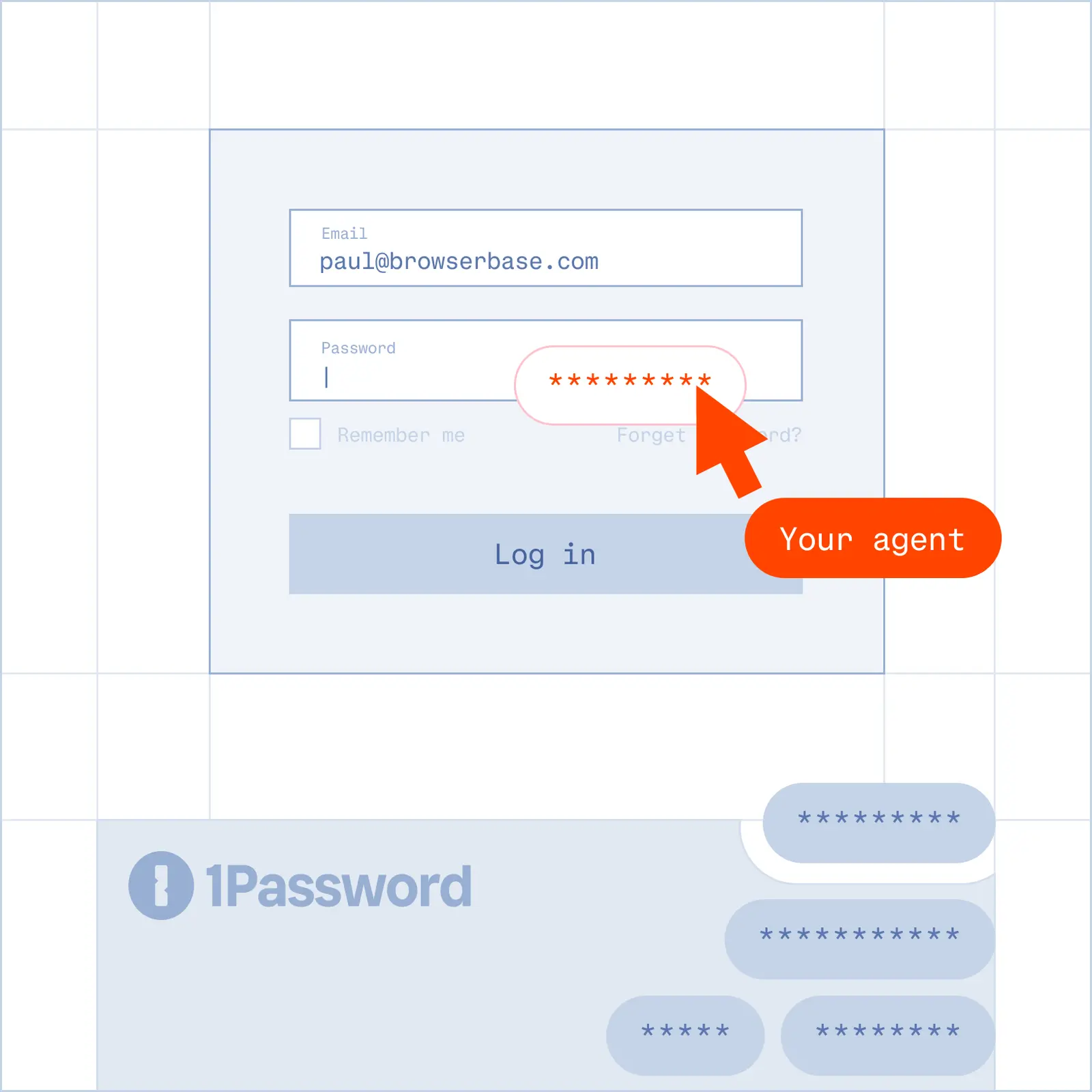
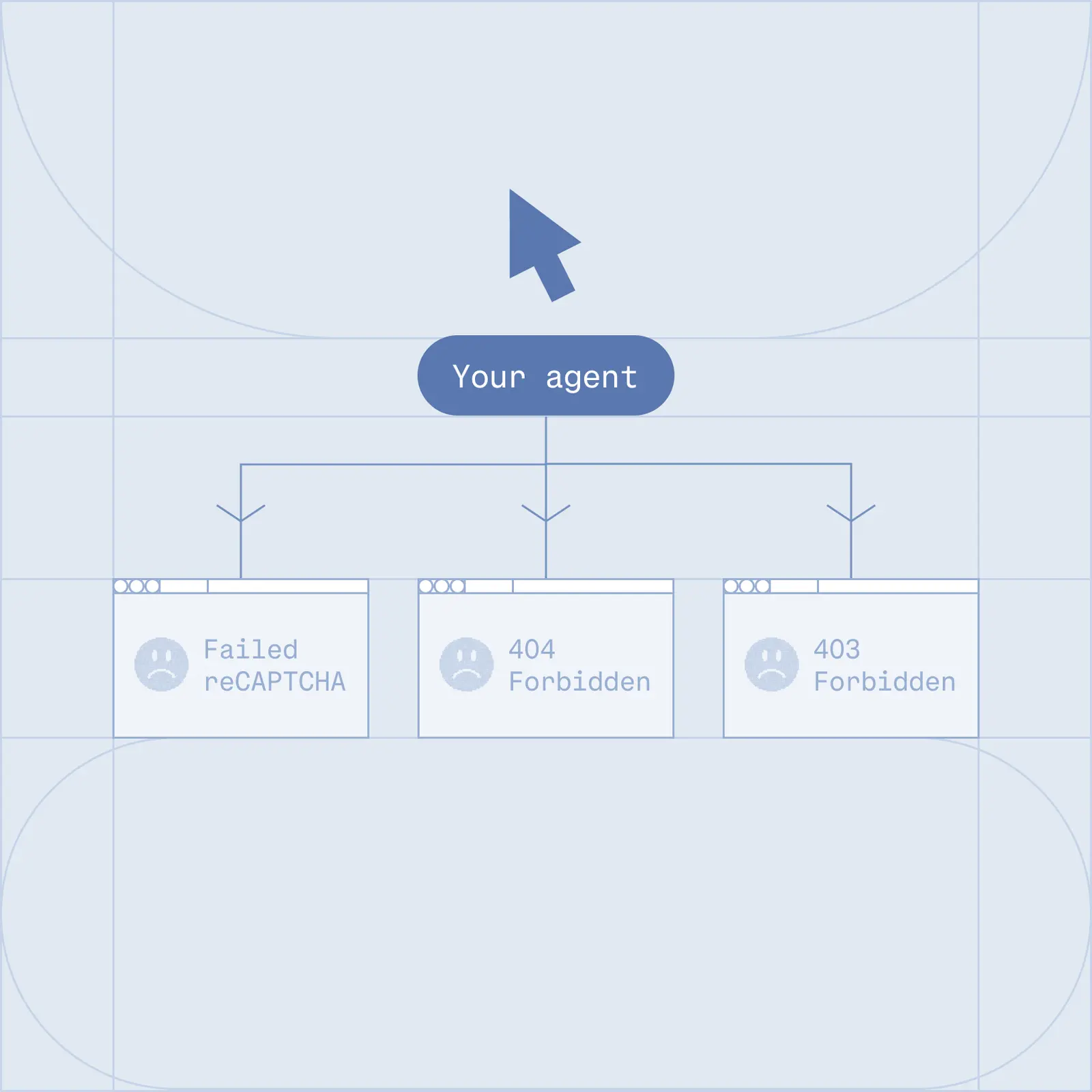
An agent stopped at a payer portal login and verification wall

The Problem

Why payer portal work does not scale

  • Staff log into portal after portal by hand to check eligibility for every patient.
  • Prior authorizations require human-style navigation, MFA, and document uploads on each payer's site.
  • The first attempt at automation gets stopped by CAPTCHAs and bot walls within minutes.
  • Portals change buttons, popups, and page states constantly, so brittle scripts break in production.
  • Every new payer means another fragile script to write and another set of credentials to manage.
An agent authenticated into payer portals through Browserbase

The Solution

How Browserbase automates payer portals

  • Real cloud browsers: your agent logs into payer portals and navigates them exactly like a human operator, including the ones with no API.
  • Verified: reach payer portals that turn away ordinary tooling, with no per-portal tuning to maintain.
  • Agent Identity: Web Bot Auth signs your agent's requests so portals can verify it, following an open protocol adopted across the industry.
  • Self-healing automation: compose with the Stagehand® SDK so workflows adapt when a portal changes its layout, instead of breaking.
  • Persistent Contexts: freeze an authenticated session once and reuse it at scale, so credentials stay human-in-the-loop and headless runs never touch them.
  • SOC-2 + HIPAA-ready: enterprise-grade controls with Business Associate Agreements available for Enterprise customers.

What your agents can do across payer portals

Eligibility checks

Verify coverage for each patient across dozens of payers in parallel, without manual portal hopping.

Prior authorizations

Log in, attach clinical documentation, submit requests, and track status on the agent's schedule.

Claims and denials

Check claim status and file denial follow-ups across every payer that only speaks through a browser.

Report downloads

Pull PDF reports and remittance files for ACO compliance and route them back to your stack.

Frequently Asked Questions

What is Browserbase's role in payer portal automation?

Browserbase is the browser execution layer. Your agent framework handles reasoning and orchestration, and Browserbase provides the cloud browsers the agent uses to log into payer portals, check eligibility, submit prior authorizations, and pull reports, exactly like a human operator would.

Can one agent run across many payer portals at once?

Yes. Browserbase supports parallel browser sessions, so a single agent or a fleet of agents can check eligibility, submit prior auths, and verify claim status across many payers at the same time. Each session is fully isolated.

How does this handle logins and MFA on payer portals?

Persistent Contexts retain cookies and session state across runs, so an authenticated session can be frozen once and reused. For portals that require MFA on every login, Browserbase supports human-in-the-loop workflows where a team member approves the step before the agent continues. Credentials stay with your team and headless runs never touch them.

Is Browserbase HIPAA compliant?

Browserbase is SOC-2 Type II certified and HIPAA-ready. Business Associate Agreements (BAAs) are available for Enterprise plan customers. Browser sessions run in isolated environments with encryption at rest and in transit.

How is this different from traditional RPA for payer portals?

Traditional RPA relies on brittle screen coordinates and breaks when a portal updates its interface. Browserbase runs real Chromium browsers with Verified access, and pairs with the Stagehand SDK so workflows adapt when portals change. The agent reasons about what to do next instead of replaying a recorded script.

Does it work with agent frameworks like LangGraph or OpenAI Agents?

Yes. Browserbase is framework-agnostic and plugs in under any agent or orchestration platform, including Stagehand, OpenAI Agents, LangGraph, ServiceNow, and UiPath. Your orchestrator decides what the agent should do, and Browserbase provides the browser it uses to do it.

What will you build?

Get a DemoGet Started
Browserbase

Primitives

  • Browsers
  • Web APIs
  • Runtime
  • Identity
  • Model Gateway
  • Observability
  • Stagehand
  • MCP

Industries

  • AI
  • Healthcare
  • GTM
  • Tax
  • Legal

Developers

  • Docs
  • Templates
  • APIs & SDKs
  • Changelog
  • Status
  • Github

Company

  • Careers
  • Customers
  • Partner with Us
  • Trust & Security

Community

TwitterLinkedinYoutube
  • Privacy Policy
  • Terms of Service

Community

TwitterLinkedinYoutube
  • Privacy Policy
  • Terms of Service